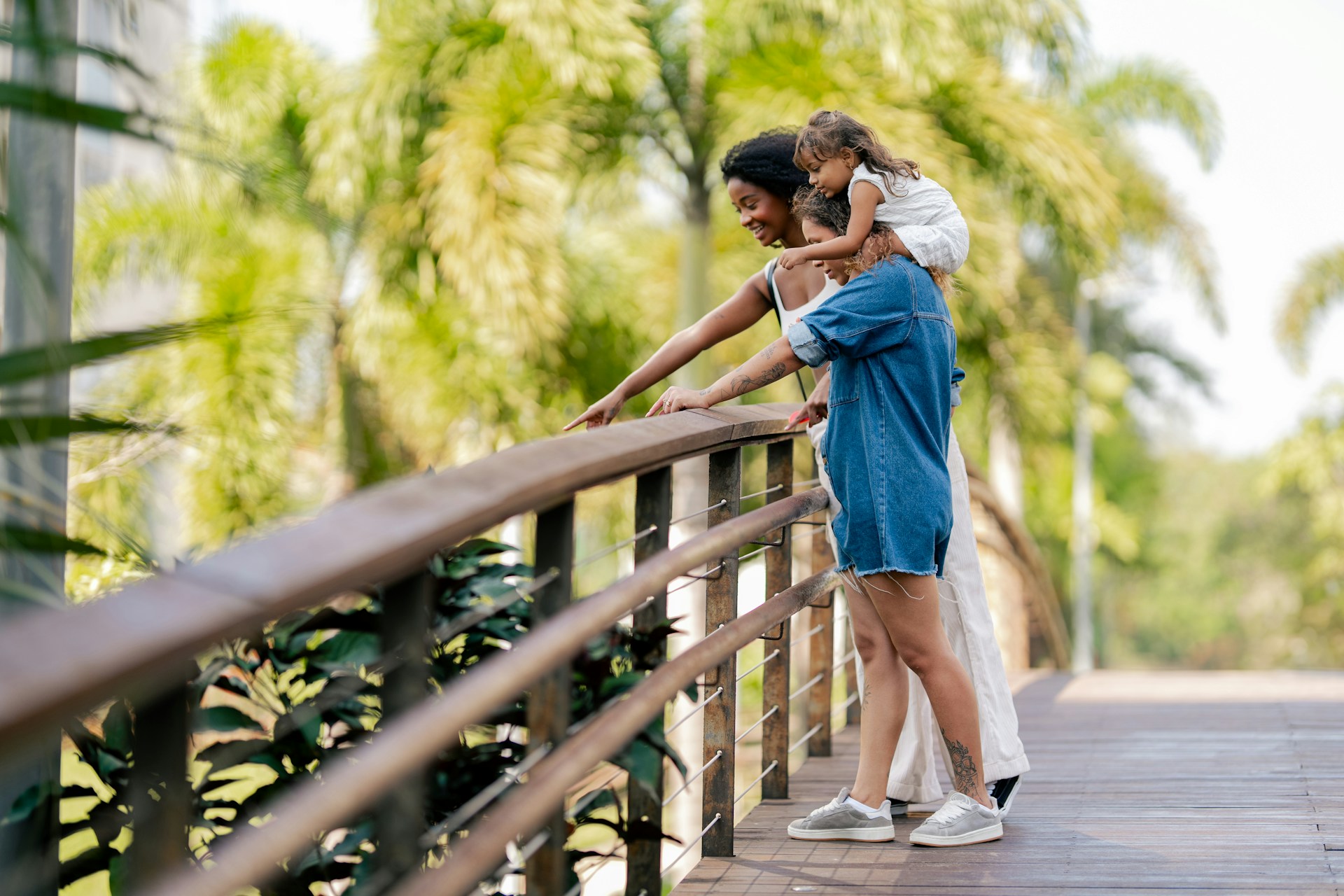
Charlotte doesn't have mountains or an ocean, but it has more green space, trail mileage, and accessible outdoor recreation than most visitors expect from a major Southern city. An ambitious greenway system connects neighborhoods through corridors of protected natural land. A string of lakes and rivers sits within easy reach of the city center. And within an hour's drive, genuine wilderness areas offer everything from technical rock climbing to backcountry camping. Here's how to tap into it all.
The Greenway System
Charlotte's greenway network is one of its most underappreciated assets. The system spans over 50 miles of paved and natural surface trails threading through creek corridors, wooded buffers, and neighborhood parks across the city. The Little Sugar Creek Greenway is the backbone — a continuous paved path that runs from the University area through Midtown and south through Freedom Park and beyond, following the natural creek corridor for miles. It's ideal for running, cycling, and walking, and it passes through some of Charlotte's most attractive residential neighborhoods. The Four Mile Creek Greenway and McMullen Creek Greenway extend the network further into the southeast and south of the city, connecting parks and neighborhoods in a way that makes car-free exploration genuinely viable.
Best Parks in the City
- Freedom Park: The city's most beloved park, covering 98 acres in Dilworth along Little Sugar Creek. Open lawns, wooded trails, a duck pond, tennis courts, and an amphitheater that hosts regular events. Weekend mornings here capture Charlotte at its most relaxed and community-oriented.
- Romare Bearden Park: An urban park in Uptown named for the Charlotte-born artist, with fountains, a splash pad, public art, and a green lawn that provides a genuine breathing space in the middle of the city's densest district.
- McDowell Nature Preserve: A 1,100-acre preserve on the shores of Lake Wylie, just 15 minutes from Uptown. With 6 miles of hiking trails, waterfront access, and a genuine sense of natural immersion, it's the closest thing to wilderness within the city limits.
- Reedy Creek Park & Nature Preserve: Over 700 acres in northeast Charlotte with 10 miles of hiking and mountain biking trails, a lake, and a nature center. One of the best options for trail running and mountain biking within the metro.
Water Recreation: The Lakes
Charlotte sits between several large reservoirs that provide significant water recreation options. Lake Norman, about 30 minutes north of the city, is the largest man-made lake in North Carolina and a major destination for boating, kayaking, paddleboarding, and waterfront dining. Lake Wylie straddles the South Carolina border to the southwest and offers a quieter, less developed alternative with excellent fishing and paddling. Lake Norman State Park on the lake's eastern shore has hiking trails, a swimming beach, and canoe and kayak rentals — a great full-day option for outdoor-oriented visitors who want something beyond city parks.
Day Trips for Serious Hikers
- Crowders Mountain State Park (35 miles west): Two prominent quartzite ridges rising dramatically above the Piedmont landscape. The Kings Pinnacle Trail is the signature hike — a 4.7-mile round trip to an exposed summit with surprisingly expansive views. Popular with Charlotte residents and well worth the short drive.
- Uwharrie National Forest (60 miles east): A rugged, ancient mountain landscape — among the oldest in North America — with excellent hiking, mountain biking, and off-road vehicle trails across nearly 50,000 acres of protected land. The Uwharrie Trail is a 20-mile backpacking route for those who want a multi-day experience.
- Pilot Mountain State Park (90 miles north): A distinctive quartzite monadnock rising 2,421 feet above the Piedmont — one of the most visually striking geological features in the Carolinas. Excellent hiking and rock climbing, with views that stretch on clear days to the Blue Ridge.
Urban Cycling
Charlotte has invested significantly in its cycling infrastructure over the past decade, with protected lanes on several key corridors and the greenway system providing off-road routes through much of the city. The Rail Trail in South End is the most popular urban cycling route — a flat, car-free path connecting the neighborhood's breweries and restaurants in the most pleasant way possible. Charlotte B-cycle, the city's bikeshare program, provides easy access to bikes at stations throughout Uptown, South End, and surrounding neighborhoods for visitors who don't bring their own.
Charlotte's outdoor opportunities are genuinely underrated — both within the city and in the surrounding region. For visitors who assume a major Southern business city won't have much to offer outdoors, the greenways, lakes, and nearby wild lands tend to be a genuine and welcome surprise.