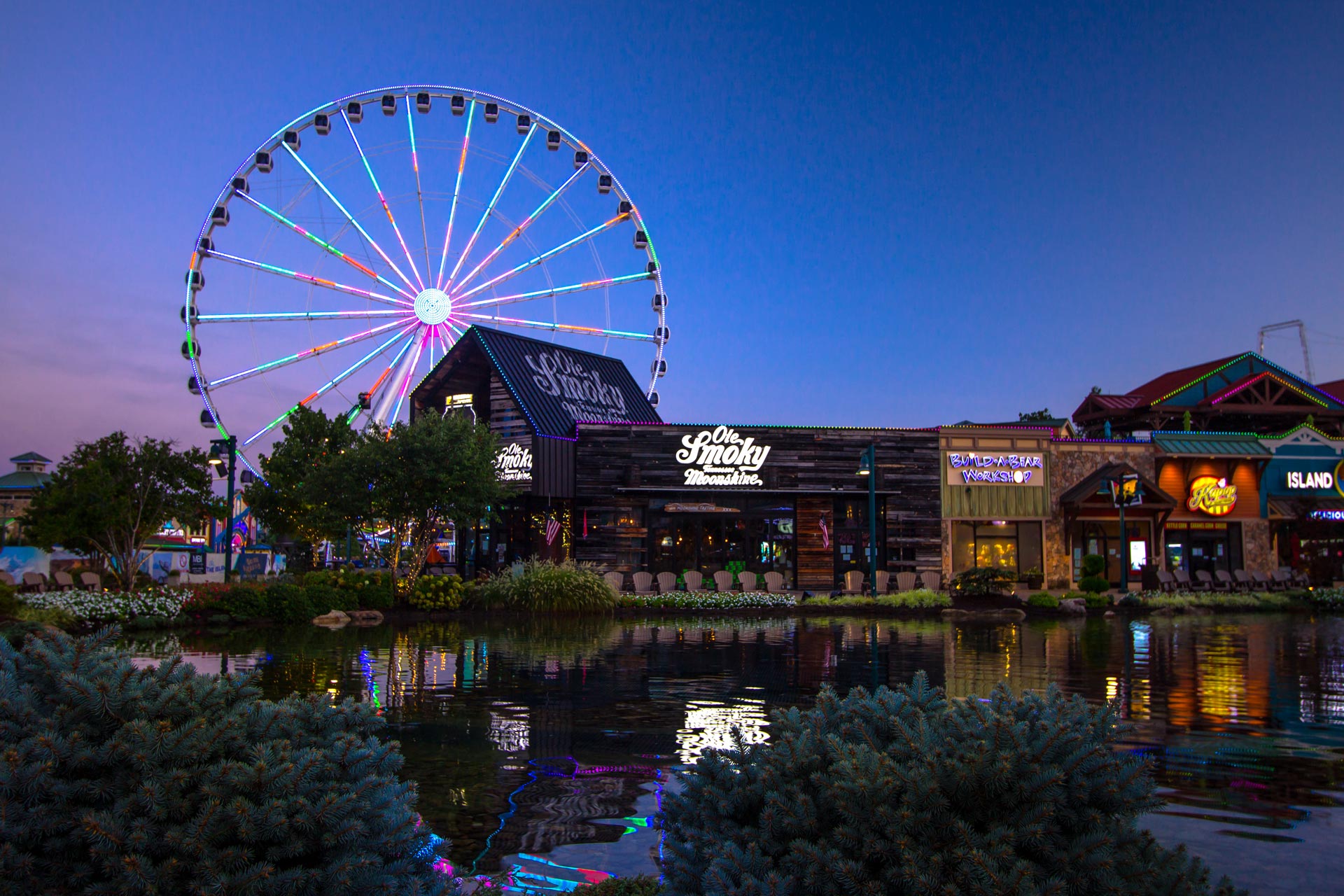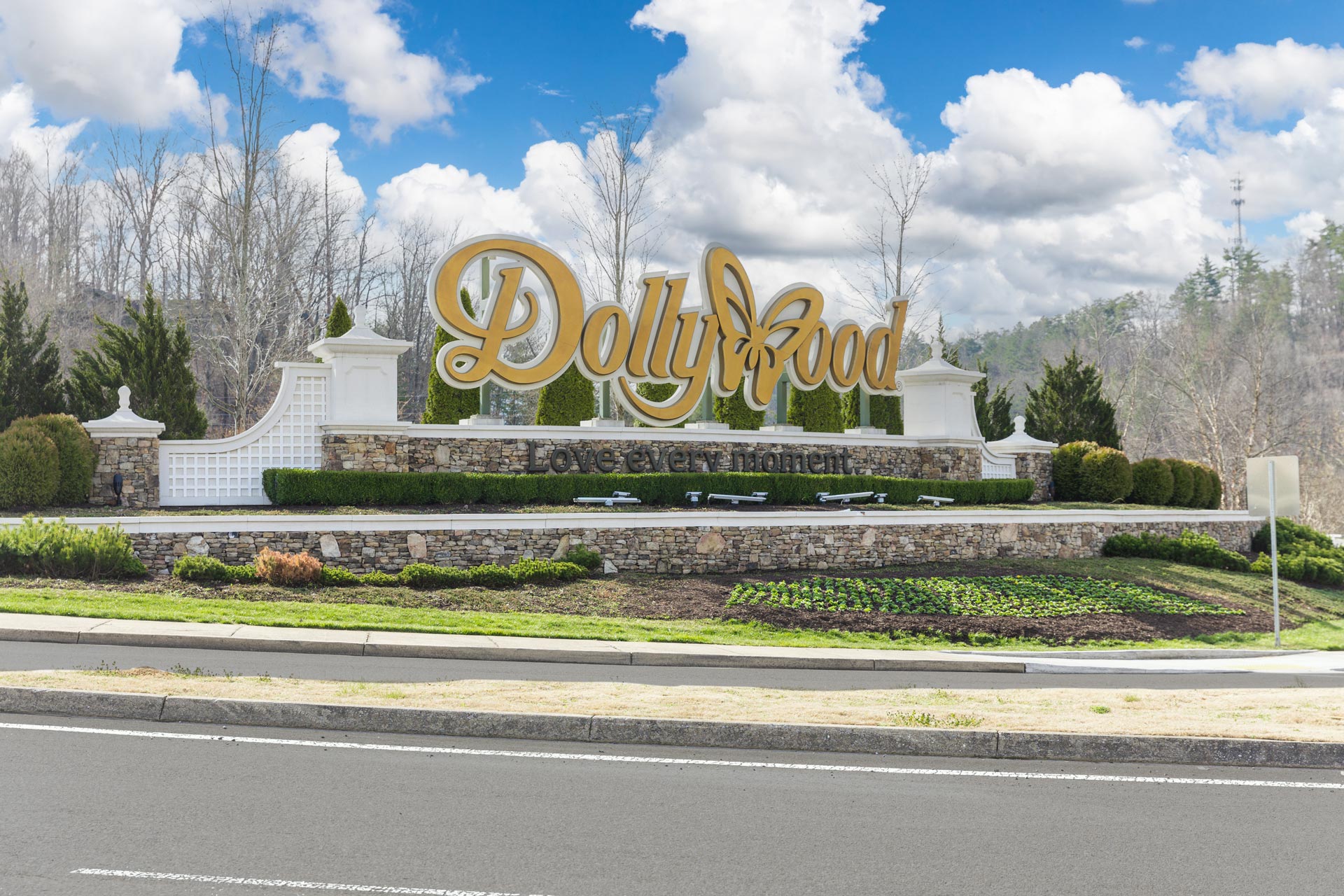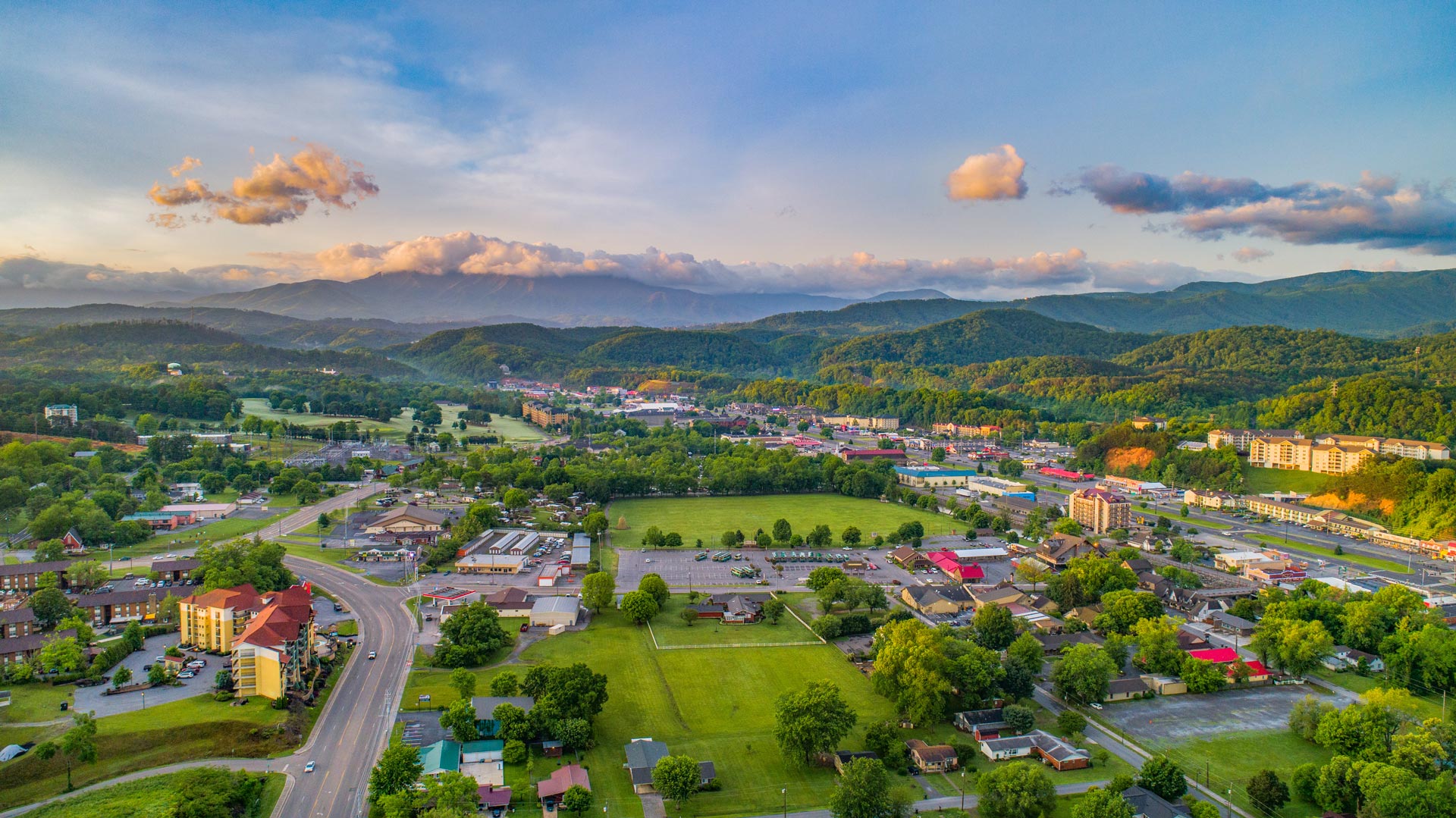
Most people who visit Pigeon Forge experience it as a long stretch of the Parkway — go-kart tracks, outlet malls, neon signs, and the familiar rhythm of one big attraction after another. And that's a perfectly valid way to visit. But tucked along the banks of the Little Pigeon River, a short turn off the main drag, is a pocket of the city that feels like a completely different world. The Old Mill District is Pigeon Forge's most historically grounded neighborhood, and it's one of the most overlooked.
The Mill Itself
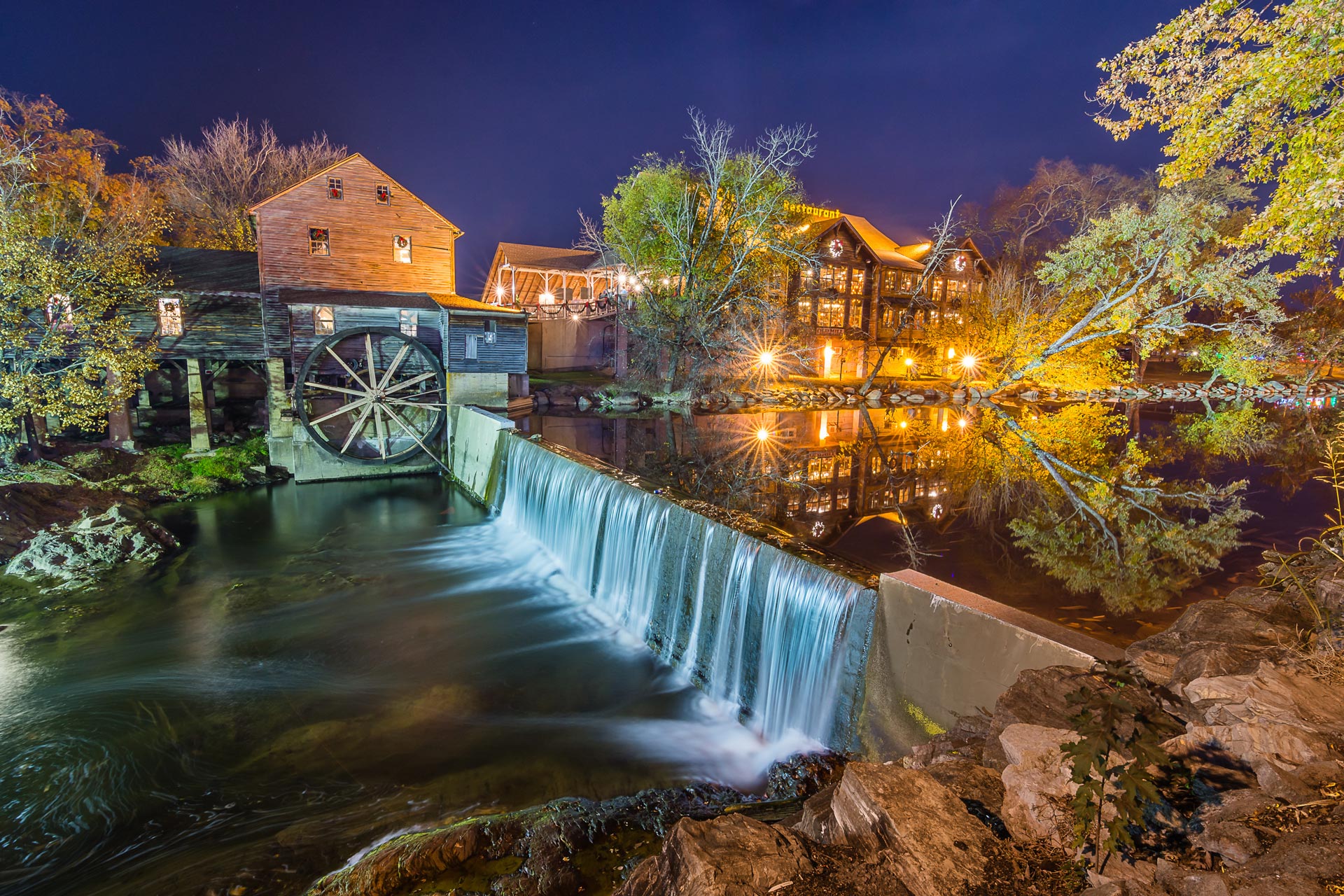
The Old Mill has been operating on this site since 1830, making it one of the oldest continually operating grist mills in Tennessee. Water diverted from the Little Pigeon River still powers the original millstone, which grinds corn, grits, and flour the same way it has for nearly two centuries. Visitors can watch the grinding process through the mill's windows or step inside to see the machinery at work. The whole operation is genuine — this isn't a recreation or a museum exhibit. The mill produces real product, sold in the adjacent store, and shipped to customers across the country who have been ordering stone-ground grits and cornmeal for years.
Old Mill Square: Shopping Worth Your Time
The shops surrounding the mill are more carefully curated than anything you'll find elsewhere in Pigeon Forge. Old Mill Square is a cluster of specialty stores focused almost exclusively on locally made and Appalachian-produced goods. You'll find stone-ground grains, artisan jams and jellies, local honey, handmade pottery, cast iron cookware, and Appalachian-inspired gifts that are actually worth bringing home. The Old Mill Country Store is the anchor — a well-stocked shop that makes it easy to load up on pantry staples and gifts in one place.
Where to Eat in the Old Mill District
Old Mill Restaurant
The most popular dining option in the district, and for good reason. The menu is built around the mill's own stone-ground products — corn chowder, grits, cornbread, and slow-cooked Southern staples that use local ingredients throughout. Breakfast and lunch are both excellent. Expect a wait during peak hours; it's worth it.
Old Mill Candy Kitchen
Watch candy being made through large windows while choosing from a wide selection of hand-pulled taffy, fudge, brittles, and old-fashioned confections. A genuine artisan candy operation and a reliable hit with kids and adults alike.
Old Mill Pottery House Cafe & Grille
A full-service restaurant adjacent to a working pottery studio where you can watch potters at the wheel. The menu covers Southern comfort food with a slightly more refined approach than most Pigeon Forge dining options — a good choice for a sit-down dinner that doesn't involve a dinner show.
The Riverwalk & Surroundings
The Little Pigeon River runs directly behind the Old Mill, and the area around it has been developed into a pleasant walkable riverside space. It's one of the few genuinely quiet outdoor areas in Pigeon Forge proper — a place to sit, listen to the water, and decompress between the bigger attractions. Combine a mill visit with a walk along the river and you have a genuinely restorative couple of hours in the middle of an otherwise high-energy trip.
Tips for Visiting
- Go in the morning: The Old Mill Restaurant is worth a breakfast or early lunch visit, and the district is at its most atmospheric before the midday crowds arrive.
- Budget time for the shops: The specialty food stores are genuinely interesting and easy to spend an hour in without noticing. If you like to cook, set aside extra time.
- The mill store ships: If you fall in love with the stone-ground grits or cornmeal — and many people do — the Old Mill ships nationwide. You don't have to haul everything home in your luggage.
- Parking is easier here: The Old Mill District has its own parking area off the main Parkway and is generally far less congested than the central Strip. A welcome contrast.
The Old Mill District won't be the flashiest thing you do in Pigeon Forge. But it might be the part of the trip you remember most clearly — a working piece of Appalachian heritage that has been quietly doing its thing along the river since before the Parkway existed.