Great Smoky Mountains National Park welcomes more than 12 million visitors each year — more than any other national park in the country. It spans the border of Tennessee and North Carolina, covers over 500,000 acres, and contains a staggering range of ecosystems, wildlife, and landscapes. For first-time visitors, it can feel overwhelming. Here's everything you need to know to visit confidently.
The Basics: Entrances, Fees & Hours
Great Smoky Mountains is one of the few national parks that charges no entrance fee — a tradition that dates back to an agreement made during the park's founding. The park is open year-round, 24 hours a day, though some roads and facilities close seasonally.
There are three main entrance areas:
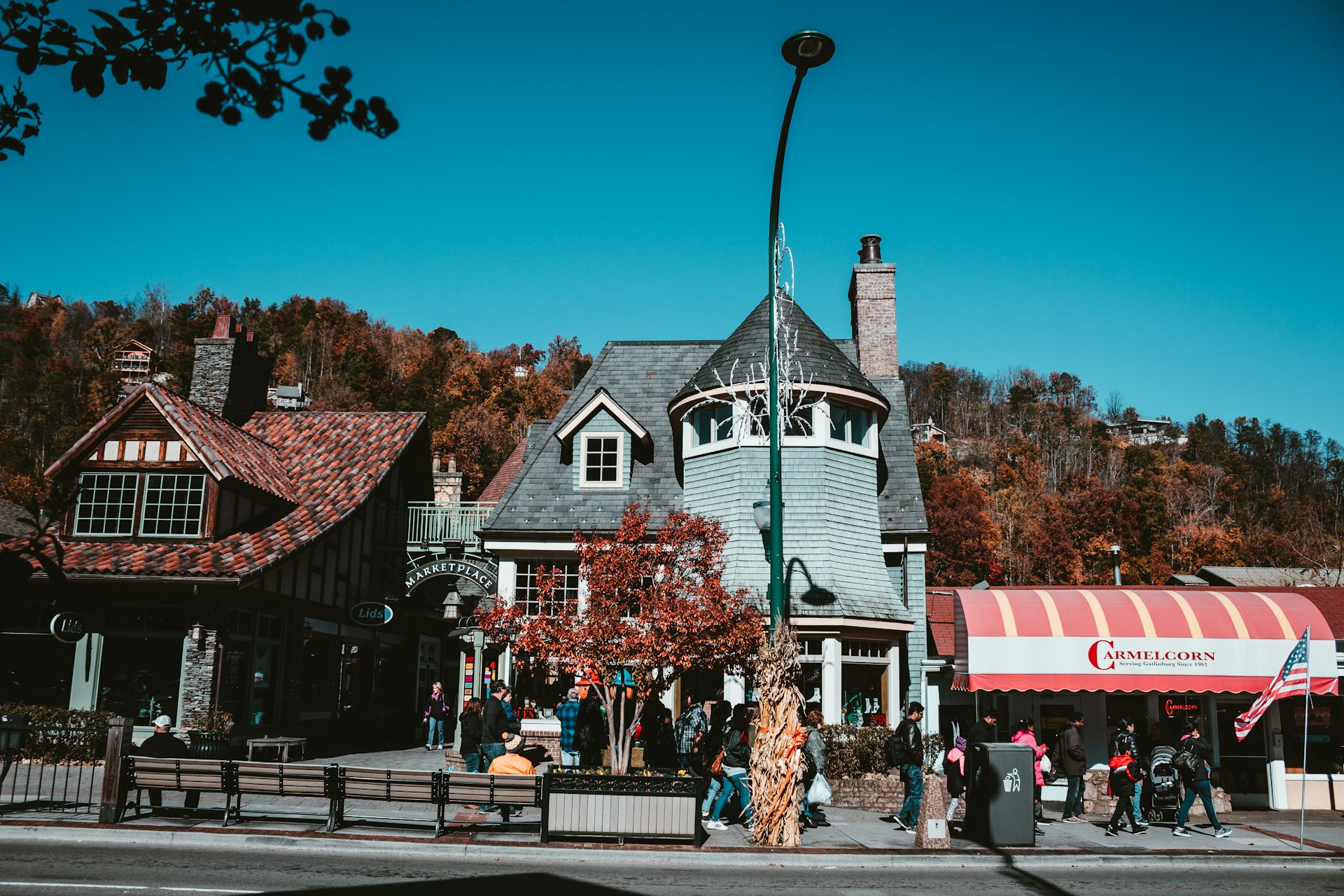
- Gatlinburg/Sugarlands (Tennessee): The most visited entrance, closest to Gatlinburg and the most developed, with a visitor center, picnic areas, and direct access to popular trails.
- Townsend/Cades Cove (Tennessee): A quieter, more rural approach on the western side. Cades Cove is one of the best places in the park for wildlife watching and historic buildings.
- Cherokee/Oconaluftee (North Carolina): The southern entrance, less crowded than Gatlinburg, with its own visitor center and access to historic Mingus Mill and the Mountain Farm Museum.
The Parking Tag Requirement
Since 2023, Great Smoky Mountains National Park requires a Smokies Parking Tag at most developed trailheads and recreation areas. Day passes and annual passes are available at recreation.gov, through the Smokies app, or at self-service kiosks at major trailheads. Passes are inexpensive and purchasing online in advance saves time. Note that the parking tag requirement is separate from any entrance fee — the park is still free to enter; you're just paying for the parking infrastructure.
Must-Do Experiences in the Park
- Drive Newfound Gap Road: The main corridor through the park climbs from 1,400 feet at the Gatlinburg entrance to 5,046 feet at Newfound Gap on the Tennessee-North Carolina state line. The views are extraordinary and the drive takes about an hour one way without stops — plan for longer.
- Visit Clingmans Dome: A short but steep half-mile walk from the parking area leads to an observation tower at 6,643 feet — the highest point in the Smokies and the third-highest east of the Mississippi. The views on a clear day are extraordinary. The road to Clingmans Dome closes in winter.
- Loop Cades Cove: An 11-mile one-way loop road through a historic valley where deer, black bears, and wild turkey are routinely spotted. Check in early in the morning or near dusk for the best wildlife viewing.
- Explore Roaring Fork Motor Nature Trail: A 5.5-mile one-way auto tour near Gatlinburg that passes historic cabins and several short waterfall trails. Closed in winter.
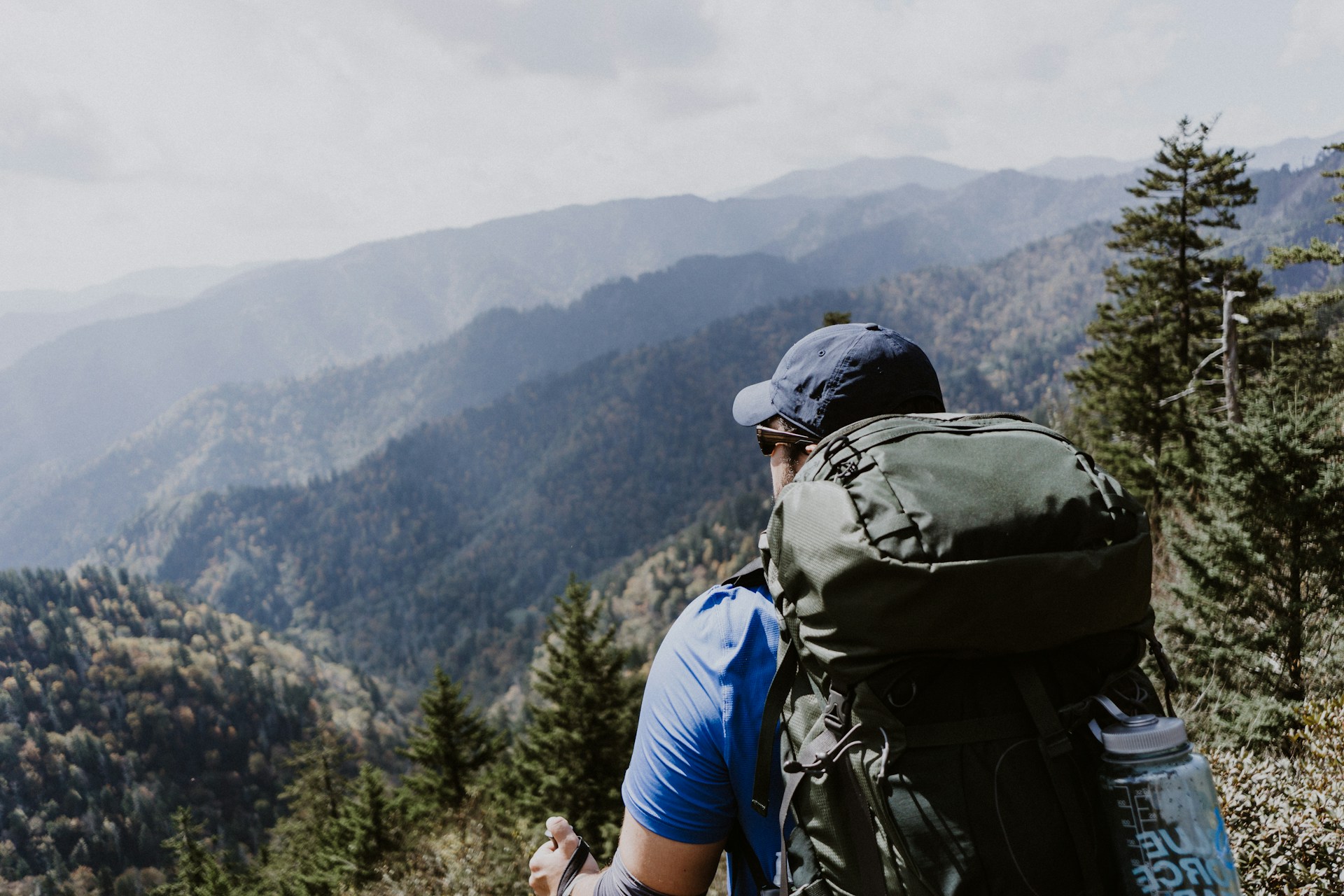
- Hike to a waterfall: Laurel Falls, Rainbow Falls, and Grotto Falls are all accessible from Gatlinburg and suitable for most visitors. Each is different in character and all are worth the walk.
Best Times to Visit
- Spring (March–May): Wildflower season is one of the most spectacular times to visit. The park contains over 1,500 flowering plant species and the blooms begin in the lower elevations in late March, moving upward through May.
- Summer (June–August): Peak crowds but lush green scenery, full water flow in waterfalls, and warm weather. Go early in the day to beat traffic and parking pressure.
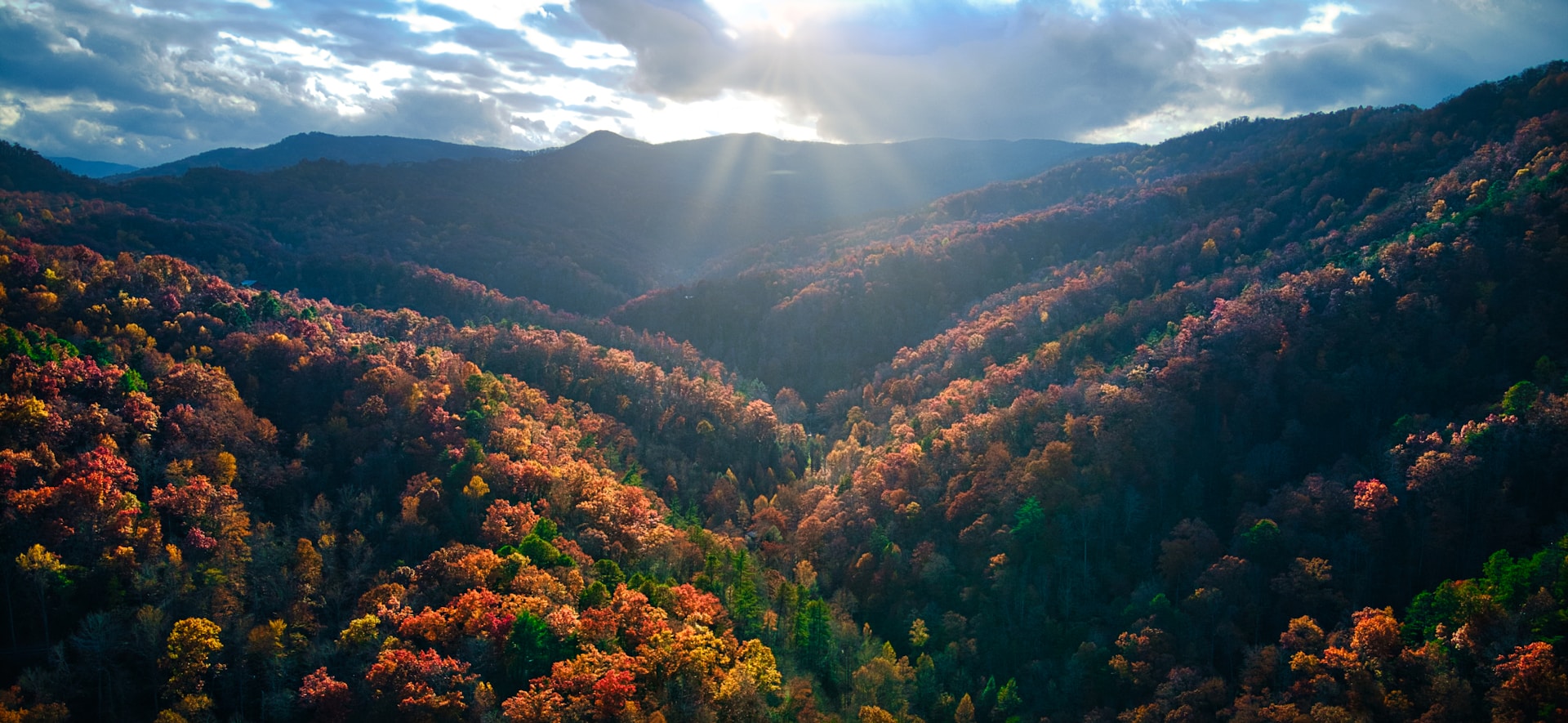
- Fall (October): The most popular season by far. Peak foliage typically hits mid-October at higher elevations and late October at lower elevations. Expect major crowds — book everything far in advance.
- Winter (November–February): The park's best-kept secret. Crowds thin dramatically, snow occasionally dusts the higher peaks beautifully, and the bare trees open up long views that summer foliage hides. Many facilities close, but the scenery is stunning.
Common Mistakes to Avoid
- Arriving without a plan: The park is huge. Decide in advance which areas you want to focus on — you cannot see everything in one visit.
- Underestimating trail distances: "It's only 2 miles" looks different when there's 1,500 feet of elevation gain. Check trail profiles, not just distances.
- Approaching wildlife: Bears, elk (in the Cataloochee area), and deer are all wild animals. The legal and safe distance is 50 yards for most wildlife and 150 yards for bears and elk.
- Skipping the visitor center: The rangers at Sugarlands are genuinely helpful and can give you real-time intel on trail conditions, wildlife activity, and crowd levels.
The Smokies have a way of exceeding expectations no matter how many times you've been. Give the park the time and attention it deserves, and it will give you back something lasting.